Learning Quechua, part 2
Part 2: Gathering resources
A few days ago, I decided to learn Quechua. This was motivated because of my passion for learning languages, as well as my Quechuan heritage. So, after a few days of practice, here’s my input:
The first thing I learned while web surfing and consulting: there is not a lot of learning material online for Quechua learners, and most of the material I’ve found is in Spanish. This is not unexpected, since a good part of the (native) Quechua speaking population speaks Spanish. Lacking knowledge of Spanish, however, should not impede learning Quechua. It might slow down the process, but I doubt that it should stop it.
During my first day, I started “gathering resources”, which meant browsing on some websites for text and materials and consulting with my dad (a native Quechua speaker). I noticed that every different site had the same words with different spellings. Thankfully, this did not create much of a problem; and consequently, my first advice for those wanting to learn Quechua is:
Don’t focus too much on spelling
Like I mentioned, the spelling of words varies a lot from site to site. There are many reasons for this, and it doesn’t just lie on the differences between dialects. Since Quechua didn’t have a written form until after contact with the Spanish, the writing that we have today is basically an approximation of how Quechua would sound using Spanish pronunciation.[1] I’m not entirely sure if there is a spelling standard for the Cuzco-Bolivia dialect, since even different universities present the same words with different spelling. So, don’t be discouraged or feel confused if you see some differences in spelling. Examples of the differences in spelling include:
noqa / ñoqa / ñuqa / nuqa = I, me
ñuqanchik / ñuqanchij / noqanchek / ñuqanchiq = we, us
Later on, you’ll see why many or all of these spellings can be considered “valid”. But, to maintain uniformity in these blog posts, I’ll try to use a consistent spelling system to avoid confusion. Moving on, let’s talk about the actual “resource gathering”. When searching for resources on a language like Quechua, I think it might help if you...
Know which dialect you want to learn
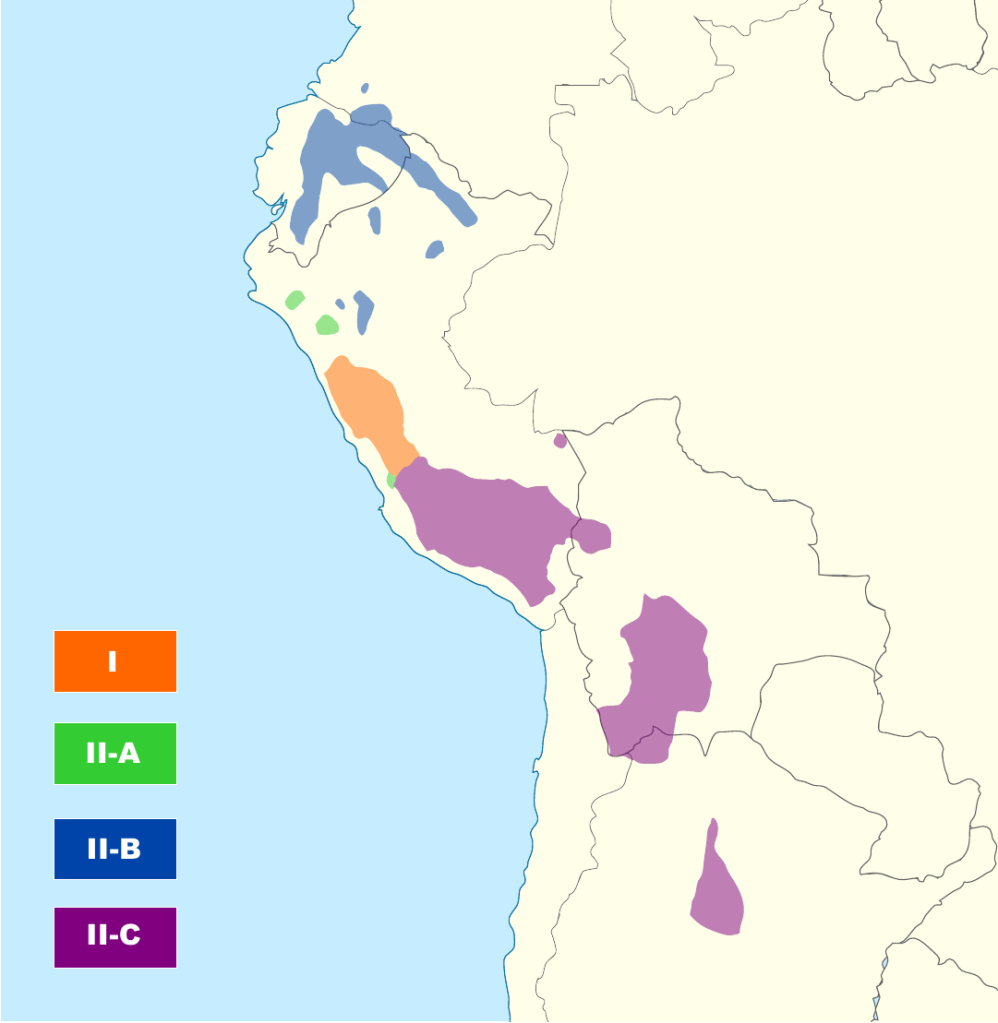
There is no “better” or “true” dialect. I guess the decision of which dialect to learn should be based on who you want to speak to (or, specifically, where you want to go). My advice is that, if you have a specific South American country to visit in mind, then try to focus on the dialect most spoken in that country. There is an interesting list on Wikipedia which classifies the dialects by location.
Once you have the dialect in mind, try to gather as many resources as you can. Make sure you give your resources a quick view, just to make sure that it includes information relevant to what you want to learn. The resources I’ve compiled are the following:
- Phone conversations with a native speaker (possibly weekly)
- Quechua Rimarina video lessons (in Spanish)
- Pronunciation videos (mostly in Quechua but with some Spanish)
- Quechua lessons website (for English speakers)
Of course, these resources are not enough, but it is a good start. The most invaluable resource is definitely being able to communicate with a native speaker. Additional resources that I will look up later on are: a Quechua-Spanish dictionary, Quechuan books (preferably starting with children’s books and local folk tales), and books that have been translated from Spanish to Quechua (or vice versa).
Well, that’s enough writing for today (I need to go focus on my thesis). I hope this information was helpful. Until next time!
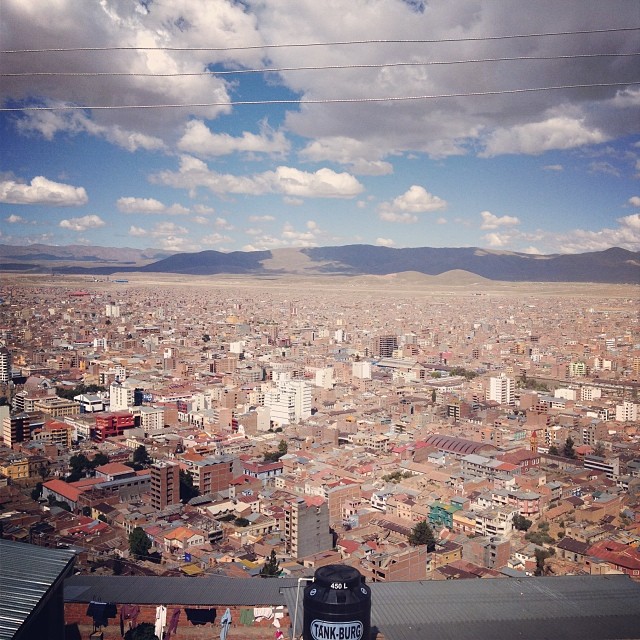
[*] the first photo was taken by me in Oruro, Bolivia
[*] I got the Quechua map from https://en.wikipedia.org/wiki/Quechuan_languages#/media/File:Quechua_(subgrupos).svg
[1] Alfredo Torero “La familia lingüística quechua” América Latina en sus lenguas indígenas. Monte Ávila: Caracas, Venezuela, 1983.